

Introduction
A hysterectomy — the surgical removal of the uterus — is one of the most commonly performed major surgical procedures for women worldwide. In India, it is performed for a wide range of gynaecological conditions, from uterine fibroids and endometriosis to cancer. For many women, it is a life-changing procedure that ends years of debilitating symptoms. For others, the prospect is intimidating, shrouded in myths and anxieties.
Dr. Sonil Srivastava, the best hysterectomy surgeon in Bhopal, believes that informed patients make better surgical decisions and experience better outcomes. This complete guide — from indications and types of hysterectomy to recovery and life after surgery — is designed to give every woman in Bhopal and Madhya Pradesh the knowledge she needs to navigate this journey confidently.
What Is a Hysterectomy?
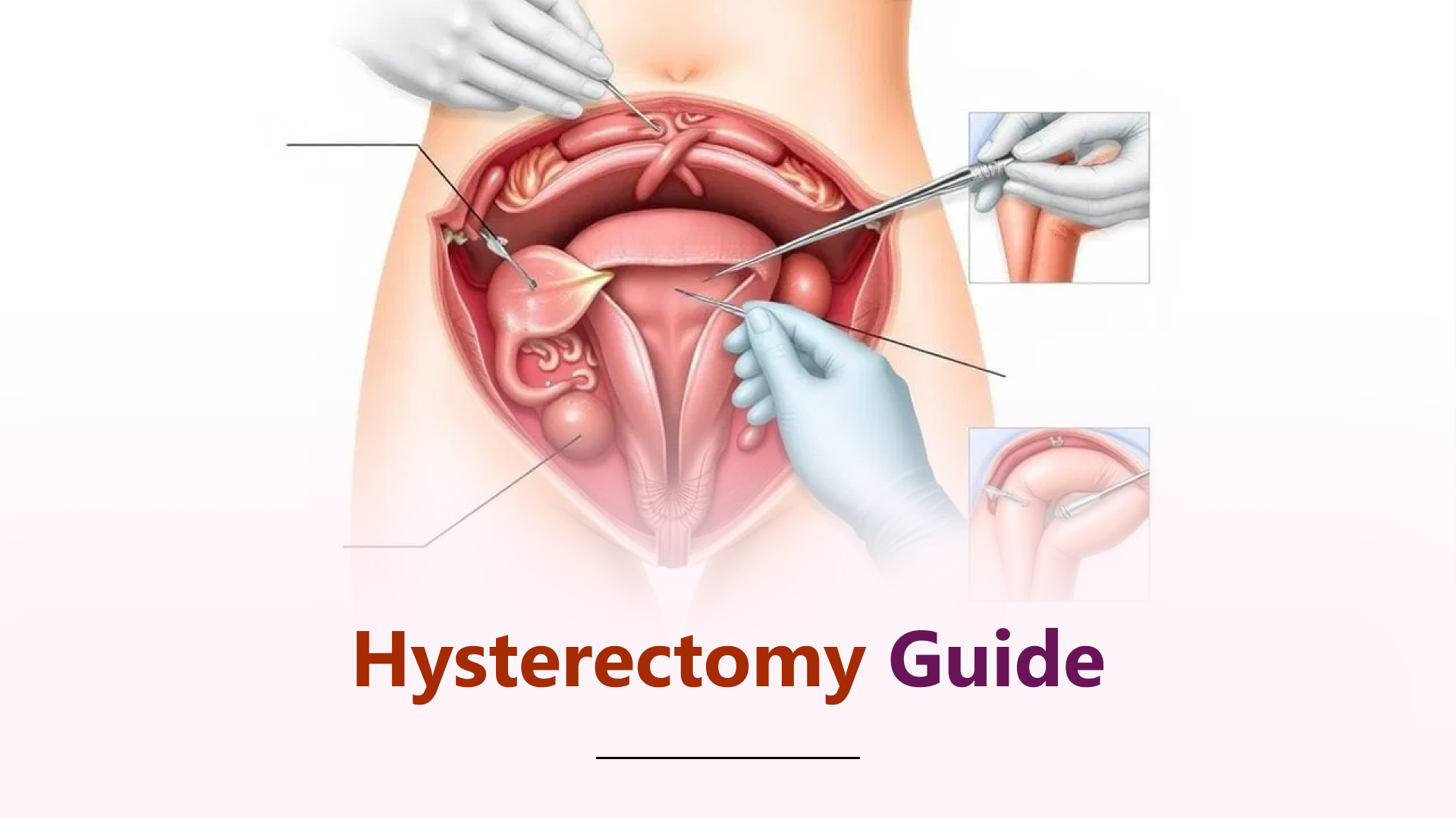
A hysterectomy is the surgical removal of the uterus (womb). Depending on the indication, it may also involve removal of the cervix (total hysterectomy), fallopian tubes, and/or ovaries (salpingo-oophorectomy). The scope of the surgery depends on the underlying diagnosis, the patient’s age, and her hormonal health considerations. After a hysterectomy, menstruation ceases permanently, and pregnancy is no longer possible. For women who have completed their families and are suffering from severe gynaecological conditions, this can be a profound relief.
Conditions That May Require Uterus Removal Surgery in Bhopal
Uterine Fibroids
Large, multiple, or symptomatic fibroids that do not respond to medical treatment or less invasive surgical options are the most common reason for hysterectomy in India. If you have been advised surgery for fibroids, consult Dr. Sonil Srivastava to explore whether laparoscopic myomectomy (uterus-preserving) or hysterectomy is more appropriate for your individual case.
Abnormal Uterine Bleeding / Menorrhagia
Severe, uncontrollable uterine bleeding that does not respond to medical or minor surgical management is another common indication. Dr. Sonil Srivastava specialises in menorrhagia treatment in Bhopal using the full spectrum of options before recommending hysterectomy.
Endometriosis
Advanced endometriosis that has not responded to hormonal therapy or conservative laparoscopic surgery may require hysterectomy for definitive relief. This is typically considered only after all uterus-preserving options have been exhausted. Learn more about endometriosis treatment in Bhopal at endometriosis-treatments-in-bhopal
Uterine Prolapse
When the uterus descends into or through the vaginal canal due to weakened pelvic floor support, hysterectomy may be performed as part of a comprehensive pelvic floor repair. Dr. Sonil Srivastava also manages genital prolapse and pelvic floor disorders.
Gynaecological Cancer
Cancer of the uterus, cervix, or ovaries may require hysterectomy as part of a comprehensive oncological treatment plan.
Types of Hysterectomy
Total Hysterectomy
Removal of the uterus and cervix. This is the most common type performed in Bhopal and India overall.
Subtotal (Partial) Hysterectomy
Removal of the uterus while preserving the cervix. Occasionally preferred by patients and surgeons in specific clinical situations.
Radical Hysterectomy
Removal of the uterus, cervix, upper vagina, and surrounding tissues. Performed primarily for cervical and endometrial cancer.
Surgical Approaches: Open vs Laparoscopic vs Robotic
Open (Abdominal) Hysterectomy
Traditional approach through a horizontal or vertical abdominal incision. Longer recovery (6–8 weeks), more post-operative pain, and higher risk of complications compared to minimally invasive approaches.
Laparoscopic Hysterectomy
The minimally invasive gold standard. Dr. Sonil Srivastava, one of the best laparoscopic surgeons in Bhopal, performs total laparoscopic hysterectomy (TLH) through 3–4 small keyhole incisions. Recovery is 1–2 weeks, blood loss is minimal, hospital stay is 1–2 days, and postoperative pain is significantly reduced compared to open surgery.
Vaginal Hysterectomy
The uterus is removed through the vagina with no abdominal incision. Preferred for uterine prolapse cases. Also associated with fast recovery and minimal scarring.
What to Expect: Before Your Hysterectomy
Pre-operative evaluation includes a full blood count, coagulation profile, ECG, chest X-ray, and relevant cancer screening tests such as a Pap test (drsonilsrivastava.in/pap-test-in-bhopal/) and ultrasound. Any anaemia from heavy bleeding is treated before surgery. You will discuss the type of anaesthesia (general or spinal), likely with the anaesthetist at the hospital. Dr. Sonil Srivastava conducts a detailed pre-operative counselling session to address all your questions and ensure you are fully prepared.
What to Expect: During the Surgery
Laparoscopic hysterectomy at Dr. Sonil Srivastava’s facility in Bhopal typically takes 1–2 hours under general anaesthesia. The uterus is carefully detached from its supporting ligaments, blood vessels, and the vaginal cuff. Careful haemostasis ensures minimal blood loss. The specimen is removed either vaginally or through a small laparoscopic port.
Recovery After Uterus Removal Surgery in Bhopal
After laparoscopic hysterectomy, most patients are mobile on the day of surgery or the following morning. Hospital discharge typically occurs within 24–48 hours. Returning to light daily activities is possible within 1–2 weeks. Driving, exercise, and sexual intercourse should be avoided for 4–6 weeks until the vaginal cuff heals. Most women report a dramatic improvement in their quality of life — freedom from heavy bleeding, pelvic pain, and the distress that drove them to seek surgery in the first place.
Life After Hysterectomy
Menstruation stops permanently after hysterectomy — there are no more periods. If the ovaries are preserved, hormonal function continues normally until natural menopause. If the ovaries are removed (oophorectomy), surgical menopause occurs immediately, and hormone replacement therapy (HRT) may be recommended. Dr. Sonil Srivastava provides comprehensive post-hysterectomy care including menopause management and long-term follow-up at her women’s healthcare facility in Bhopal.
Conclusion
A hysterectomy is a major decision — but for the right patient with the right indication, it is one of the most effective procedures in gynaecology, delivering life-changing relief from conditions that have sometimes caused suffering for years. With the most experienced and compassionate hysterectomy surgeon in Bhopal, Dr. Sonil Srivastava, your surgical journey will be evidence-based, minimally invasive, and thoroughly supported.
Frequently Asked Questions (FAQs)
Q1: Will a hysterectomy cause weight gain?
Hysterectomy itself does not directly cause weight gain. If the ovaries are removed, the resultant hormonal change may contribute to some metabolic changes. Dr. Sonil Srivastava discusses this and the role of HRT during your pre-operative counselling.
Q2: How soon can I return to work after hysterectomy?
After laparoscopic hysterectomy, desk workers typically return in 2–3 weeks. Those in physically demanding jobs may need 4–6 weeks.
Q3: Is laparoscopic hysterectomy available at Dr. Sonil Srivastava’s clinic in Bhopal?
Yes. Dr. Sonil Srivastava is one of the most experienced laparoscopic hysterectomy surgeons in Bhopal, offering minimally invasive techniques with fast recovery.
Q4: Will removing the uterus affect my sex life?
For most women, sexual function is not negatively affected after hysterectomy. Many report improved quality of life and sexual satisfaction once the underlying pain or bleeding problem is resolved.
Q5: Are there alternatives to hysterectomy for fibroids?
Yes, including laparoscopic myomectomy, endometrial ablation, and the Mirena IUD for bleeding management. Dr. Sonil Srivastava explores all alternatives before recommending hysterectomy.
Call to Action
If you have been advised a hysterectomy or are suffering from symptoms that may require one, speak with the best hysterectomy surgeon in Bhopal. Book a consultation with Dr. Sonil Srivastava at drsonilsrivastava.in/contact-us/ for expert, personalised guidance.