

Introduction
Uterine fibroids are the most common non-cancerous tumours of the female reproductive system, affecting up to 70–80% of women during their lifetime, with the majority experiencing them in their 30s and 40s. Despite their prevalence, fibroids remain poorly understood by many women, often going undiagnosed for years while causing significant discomfort and disrupting quality of life.
Dr. Sonil Srivastava, widely recognised as the best gynaecologist in Bhopal, has treated hundreds of women with uterine fibroids using both medical management and advanced surgical techniques including laparoscopic myomectomy and, when necessary, hysterectomy. This comprehensive guide explains what fibroids are, how to recognise them, and what the best treatment for fibroids looks like in 2026.
What Are Uterine Fibroids?
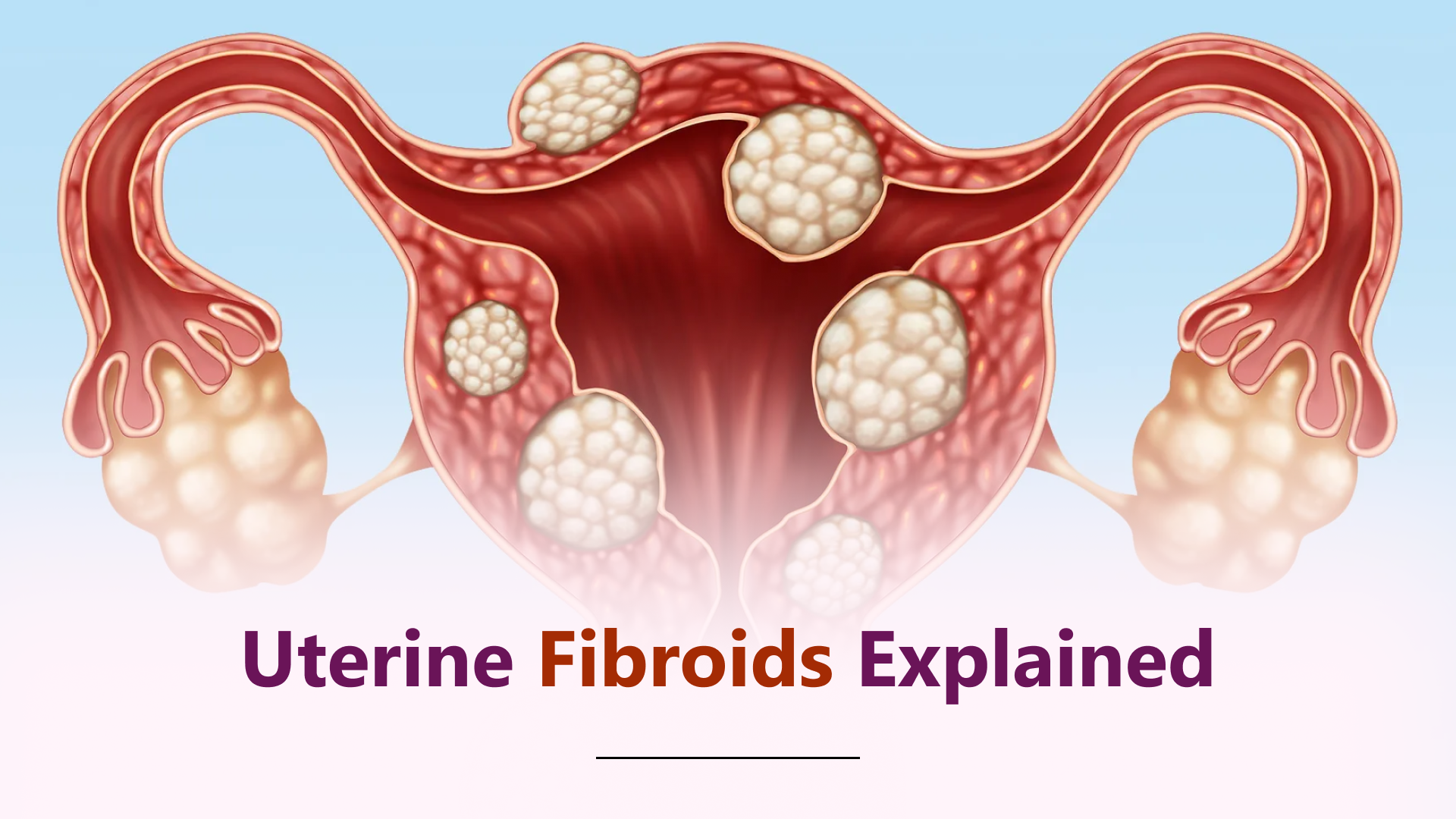
Uterine fibroids (medically called leiomyomas or myomas) are benign (non-cancerous) growths that develop within the muscular wall of the uterus. They vary enormously in size — from as small as a seed to as large as a melon — and can occur singly or in multiples. Their location within the uterus determines the type: intramural fibroids grow within the uterine wall, submucosal fibroids protrude into the uterine cavity, subserosal fibroids project outward from the uterus, and pedunculated fibroids grow on a stalk attached to the uterine wall.
What Causes Uterine Fibroids?
The exact cause is not fully understood, but several factors are strongly associated with fibroid development. Hormonal influence — particularly oestrogen and progesterone — drives fibroid growth, which is why they rarely occur before puberty or after menopause. Family history plays a significant role; if your mother or sister had fibroids, your risk is substantially higher. Obesity, a diet high in red meat and low in green vegetables, and vitamin D deficiency are modifiable risk factors. The menstrual cycle length and early age of menarche are also associated with higher fibroid risk.
Symptoms of Uterine Fibroids
Heavy or Prolonged Menstrual Bleeding
This is the most common symptom. Women with submucosal fibroids in particular often experience extremely heavy periods (menorrhagia) that lead to anaemia, fatigue, and significant disruption to daily life. If you are experiencing heavy bleeding, visiting the best gynaecologist in Bhopal for assessment is essential. Dr. Sonil Srivastava specialises in menorrhagia treatment in Bhopal and can accurately diagnose the underlying cause.
Pelvic Pressure or Pain
Large fibroids cause a sensation of fullness or pressure in the lower abdomen and pelvic region. They can also cause chronic pelvic pain — a symptom that significantly impacts quality of life and that Dr. Sonil Srivastava also addresses in her chronic pelvic pain clinic in Bhopal.
Urinary Symptoms
Fibroids pressing against the bladder cause increased urinary frequency, urgency, or difficulty fully emptying the bladder. Pressure on the rectum can cause constipation.
Pain During Intercourse
Deep dyspareunia (pain during sexual intercourse) is common when fibroids distort the uterine cavity or press on adjacent structures.
Fertility Problems and Pregnancy Complications
Submucosal fibroids in particular can distort the uterine cavity and interfere with embryo implantation, contributing to infertility and recurrent miscarriage. Fibroids can also complicate pregnancy by increasing the risk of preterm labour, placental problems, and C-section delivery. Women at the female fertility clinic in Bhopal who are struggling to conceive may be found to have fibroids as a contributing factor.
Diagnosing Uterine Fibroids
Fibroids are usually detected through pelvic ultrasound, which remains the primary diagnostic tool. Transvaginal ultrasound provides even greater detail about fibroid location and size. Saline infusion sonohysterography (SIS) maps submucosal fibroids within the uterine cavity. MRI is used when surgery is being planned and precise mapping is needed. Hysteroscopy provides direct visualisation of the uterine interior and can simultaneously treat certain types of fibroids. Dr. Sonil Srivastava will select the most appropriate diagnostic approach based on your symptom profile and clinical examination.
Treatment Options for Uterine Fibroids
Watchful Waiting
For women with small fibroids and minimal symptoms — particularly those approaching menopause — a period of watchful waiting with regular monitoring may be recommended. Fibroids typically shrink significantly after menopause due to reduced oestrogen levels.
Medical Management
Hormonal therapies including the Mirena IUD, tranexamic acid, NSAIDs, combined oral contraceptives, and GnRH analogues can reduce bleeding and fibroid size. These are appropriate for women with mild-to-moderate symptoms who wish to avoid surgery or are preparing for a later surgical procedure.
Laparoscopic Myomectomy: Uterus-Preserving Surgery
For women who have significant symptoms but wish to preserve their uterus — particularly those who want to conceive in the future — laparoscopic myomectomy is the gold standard surgical treatment. This minimally invasive procedure, performed through small keyhole incisions, removes the fibroids while leaving the uterus intact. Dr. Sonil Srivastava is among the best laparoscopic surgeons in Bhopal and has extensive experience in laparoscopic myomectomy for women across the city and surrounding region. Recovery is typically 1–2 weeks compared to 4–6 weeks for open surgery.
Hysterectomy: Definitive Treatment
For women who have completed their family and have large, multiple, or recurrent fibroids causing severe symptoms, hysterectomy (surgical removal of the uterus) is the only permanent cure. Dr. Sonil Srivastava, the best hysterectomy surgeon in Bhopal, performs both minimally invasive laparoscopic and robotic-assisted hysterectomies. Uterus removal surgery in Bhopal under her care is performed with exceptional precision and the fastest possible recovery protocols.
Fibroids and Fertility: What You Need to Know
Many women with fibroids conceive and deliver normal, healthy babies without any intervention. However, fibroids — particularly submucosal ones — can impact IVF success rates and natural conception. If you are undergoing fertility treatment at the best IVF centre in Bhopal or pursuing natural conception and have known fibroids, discuss their management with Dr. Sonil Srivastava before starting your fertility journey.
Conclusion
Uterine fibroids are common, but suffering from their symptoms is not inevitable. With the full spectrum of medical and surgical treatment options available at Dr. Sonil Srivastava’s clinic in Bhopal — from medication to state-of-the-art laparoscopic surgery — there is an effective solution for every woman’s individual situation. The key is early diagnosis and expert guidance.
Do not let heavy periods, pelvic pain, or fertility concerns go unaddressed. Book a consultation with Dr. Sonil Srivastava today at drsonilsrivastava.in/contact-us/ and take the first step towards relief.
Frequently Asked Questions (FAQs)
Q1: Are uterine fibroids cancerous?
Fibroids (leiomyomas) are benign and are not cancerous. Malignant transformation (leiomyosarcoma) is extremely rare and accounts for less than 1% of cases.
Q2: Can fibroids go away on their own?
They may shrink significantly after menopause due to reduced oestrogen. However, in premenopausal women, fibroids do not typically resolve without treatment.
Q3: Will I be able to get pregnant after laparoscopic myomectomy?
Yes. Laparoscopic myomectomy is specifically designed to remove fibroids while preserving the uterus and fertility. Dr. Sonil Srivastava has helped many women successfully conceive after myomectomy.
Q4: How do I know if my heavy periods are caused by fibroids?
An ultrasound scan performed by a gynaecologist is the first step. Book a consultation with Dr. Sonil Srivastava for a thorough evaluation.
Q5: What is recovery like after laparoscopic myomectomy in Bhopal?
Most patients are discharged within 1–2 days and return to normal activities within 1–2 weeks. Full recovery and uterine healing before attempting conception takes approximately 3–6 months.
Call to Action
Are heavy periods, pelvic pain, or fertility problems affecting your life? You deserve answers and effective treatment. Consult Dr. Sonil Srivastava — the best treatment provider for fibroids in Bhopal — at Contact Us or call the clinic to book your appointment now.