
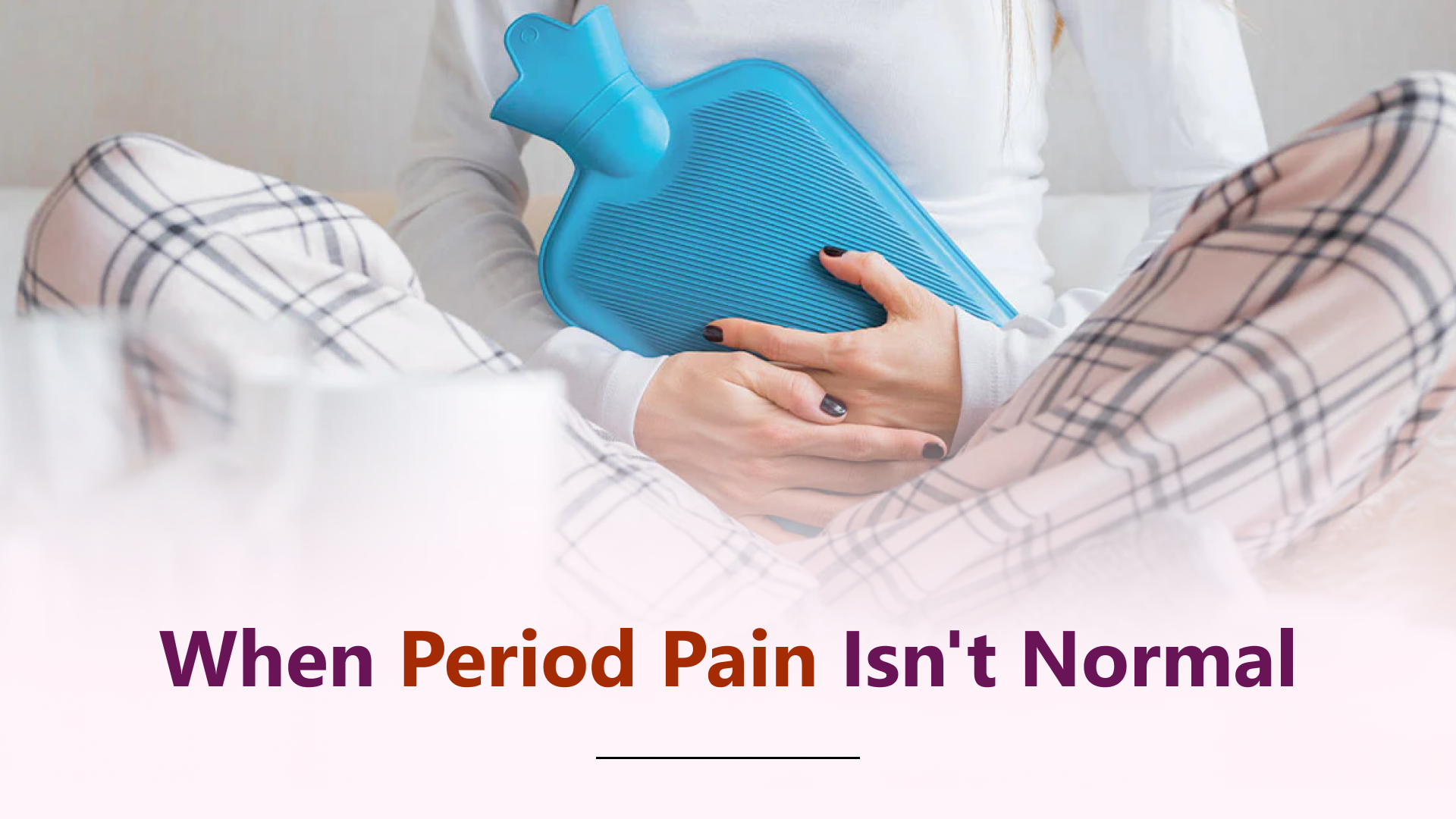

Almost every woman experiences some discomfort during her menstrual cycle, but the intensity and nature of that pain can vary widely. While mild cramping is a normal part of menstruation, severe or worsening pain is not something to simply endure. Understanding the difference can help you know when it is time to seek professional care at a women’s healthcare facility.
What Causes Normal Period Pain?
Normal menstrual cramps, medically known as primary dysmenorrhea, occur because the uterus contracts to shed its lining. These contractions are triggered by hormone-like substances called prostaglandins. Mild to moderate cramping in the lower abdomen, usually starting a day or two before the period and easing within the first few days, is generally considered normal and can often be managed with over-the-counter pain relief and rest.
Typical Characteristics of Normal Cramps
Normal period pain tends to be predictable, following a similar pattern each cycle, and does not usually interfere significantly with daily activities. It typically responds well to simple pain relief measures, a heating pad, and gentle movement, and it does not come with alarming symptoms such as heavy bleeding or fever.
When Period Pain Is Not Normal
Pain that is severe enough to disrupt work, school, or daily routines, or that does not respond to standard pain relief, may point to an underlying gynecological condition. This type of pain, known as secondary dysmenorrhea, often has a treatable medical cause and deserves proper evaluation.
Uterine Fibroids
Fibroids are noncancerous growths in the uterus that can cause heavy, painful periods along with pelvic pressure. Depending on their size and location, they may require monitoring or treatment through options such as uterine fibroid treatment to relieve symptoms.
Endometriosis
Endometriosis occurs when tissue similar to the uterine lining grows outside the uterus, causing intense pain that can worsen over time. It is a common but often underdiagnosed cause of severe period pain and typically requires specialized gynecological treatment for effective management.
Ovarian Cysts
Fluid-filled sacs on the ovaries can cause sharp or dull pelvic pain that may worsen around the time of menstruation. Most cysts resolve on their own, but larger or persistent ones may need evaluation and, in some cases, ovarian cyst treatment.
Pelvic Inflammatory Disease
An infection of the reproductive organs can cause persistent pelvic pain, often accompanied by unusual discharge or fever. This condition requires prompt medical attention to prevent long-term complications, including fertility issues.
Warning Signs You Should Not Ignore
You should consult a gynecologist if your period pain is severe enough to interfere with daily life, if it is accompanied by heavy bleeding, irregular cycles, pain during intercourse, or if over-the-counter medication does not provide relief. Sudden, intense pelvic pain should always be evaluated urgently.
Pain That Worsens Over Time
Pain that gradually becomes more severe with each cycle, rather than staying consistent, is a red flag that should not be dismissed. This pattern is often seen in conditions like endometriosis or growing fibroids and warrants a thorough evaluation at a trusted gynecology clinic.
How Gynecologists Diagnose the Cause
Diagnosis usually begins with a detailed medical history and a pelvic examination, followed by an ultrasound to check for structural abnormalities such as fibroids or cysts. In some cases, further tests or a laparoscopy may be recommended to accurately identify the underlying cause of persistent pain.
Treatment Options Available
Treatment depends entirely on the underlying cause. Hormonal therapy, pain management, and lifestyle adjustments are often the first line of treatment. For structural issues, minimally invasive procedures such as laparoscopic myomectomy can remove fibroids while preserving the uterus, and in more complex or recurrent cases, a hysterectomy may be discussed as a longer-term solution.
Living With Period Pain: Practical Tips
Regular exercise, adequate hydration, a balanced diet, and stress management can all help reduce the severity of menstrual cramps for many women. However, these measures are supportive and should not replace a proper medical evaluation if pain is severe or unusual.
Conclusion
While some discomfort during periods is normal, pain that disrupts your life or comes with other troubling symptoms should never be ignored. Getting evaluated early through appropriate gynecological treatments can help identify the cause and bring lasting relief, allowing you to go about your daily life without dreading your cycle each month.