
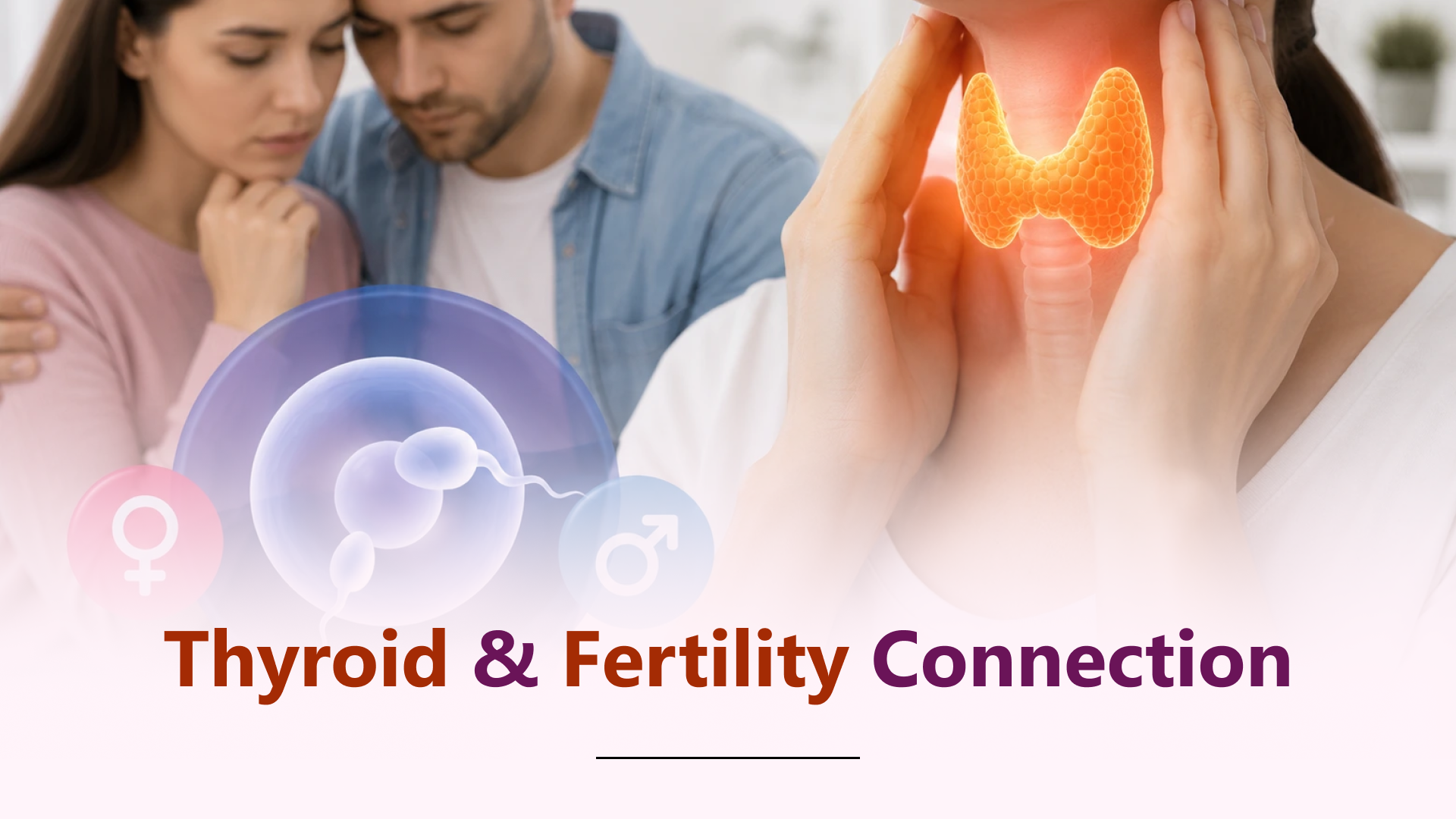

The thyroid gland may be small, but it plays a very large role in a woman’s reproductive health. Many women who struggle to conceive or experience repeated pregnancy loss are surprised to learn that an undiagnosed thyroid disorder could be the underlying cause. Thyroid hormones regulate metabolism, but they also influence ovulation, egg quality, and the ability of the uterus to support a healthy pregnancy. Understanding this connection is the first step toward getting the right treatment.
How the Thyroid Gland Influences Fertility
The thyroid produces hormones that interact closely with the reproductive hormones responsible for ovulation. When thyroid levels are too high or too low, the delicate hormonal balance needed for a regular menstrual cycle can be disrupted. This is why women visiting a women’s healthcare facility for fertility concerns are often screened for thyroid function as part of the initial workup.
Hypothyroidism and Its Effect on Conception
An underactive thyroid, or hypothyroidism, is one of the most common thyroid conditions affecting women of reproductive age. It can cause irregular or absent ovulation, making it harder to conceive naturally. Left untreated, hypothyroidism during pregnancy has also been linked to miscarriage and developmental concerns in the baby, which is why early screening and management through proper gynecological treatment is essential.
Hyperthyroidism and Reproductive Health
An overactive thyroid, or hyperthyroidism, can equally disrupt the menstrual cycle, sometimes leading to lighter or infrequent periods. It may also increase the risk of complications such as preterm birth if not controlled before or during pregnancy. Managing hyperthyroidism alongside routine gynecological care helps protect both fertility and pregnancy outcomes.
Thyroid Disorders and Difficulty Conceiving
For couples who have been trying to conceive without success, thyroid dysfunction is often one of the first factors a specialist checks, alongside other causes assessed at a fertility center. Correcting thyroid hormone levels with medication can often restore regular ovulation and significantly improve the chances of natural conception, sometimes eliminating the need for advanced fertility treatment altogether.
Thyroid Problems and Pregnancy Complications
Even when conception occurs, unmanaged thyroid disorders can affect the course of pregnancy. Thyroid hormones are crucial for the baby’s brain development, particularly in the first trimester before the baby’s own thyroid gland becomes active. This is one reason thyroid function tests are a routine part of prenatal checkups at any reputable gynecology clinic.
Risk of Miscarriage and Preterm Birth
Research consistently shows that women with poorly controlled thyroid levels face a higher risk of miscarriage, preterm delivery, and low birth weight babies. Regular monitoring throughout pregnancy allows doctors to adjust medication doses as hormone needs change, particularly since thyroid requirements naturally increase during pregnancy.
Thyroid Disorders and Other Reproductive Conditions
Thyroid imbalances often coexist with other hormonal conditions that affect fertility, such as PCOS. Both conditions can independently cause irregular cycles, so a thorough evaluation is important to identify whether one, or both, are contributing to fertility struggles. Similarly, structural issues like uterine fibroids or ovarian cysts should be ruled out alongside thyroid testing for a complete fertility picture.
Diagnosis and Treatment
Diagnosing a thyroid disorder is straightforward and involves a simple blood test measuring thyroid stimulating hormone along with free T3 and T4 levels. Based on the results, treatment usually involves daily medication to normalize hormone levels. Most women see improvement in their cycles within a few months of starting appropriate treatment, especially when it is closely supervised by a specialist.
When to See a Specialist
If you have irregular periods, unexplained weight changes, fatigue, or have been trying to conceive for more than six to twelve months, it is worth getting your thyroid checked. Visiting a women’s health specialist ensures thyroid testing is done alongside a broader fertility evaluation, saving time and giving a clearer path forward.
Preparing for a Healthy Pregnancy
Women planning a pregnancy who have a known thyroid condition should ideally get their levels stabilized before trying to conceive. This proactive approach reduces the risk of complications later and allows the pregnancy to progress smoothly. For women already undergoing fertility treatment, thyroid optimization is often built into the treatment plan at an experienced IVF center to improve success rates.
Conclusion
Thyroid health and reproductive health are deeply connected, and addressing thyroid imbalances can make a real difference for women trying to conceive or maintain a healthy pregnancy. If you suspect a thyroid issue is affecting your fertility, do not wait to get evaluated. Comprehensive gynecological treatments and timely diagnosis can help you move confidently toward parenthood.