
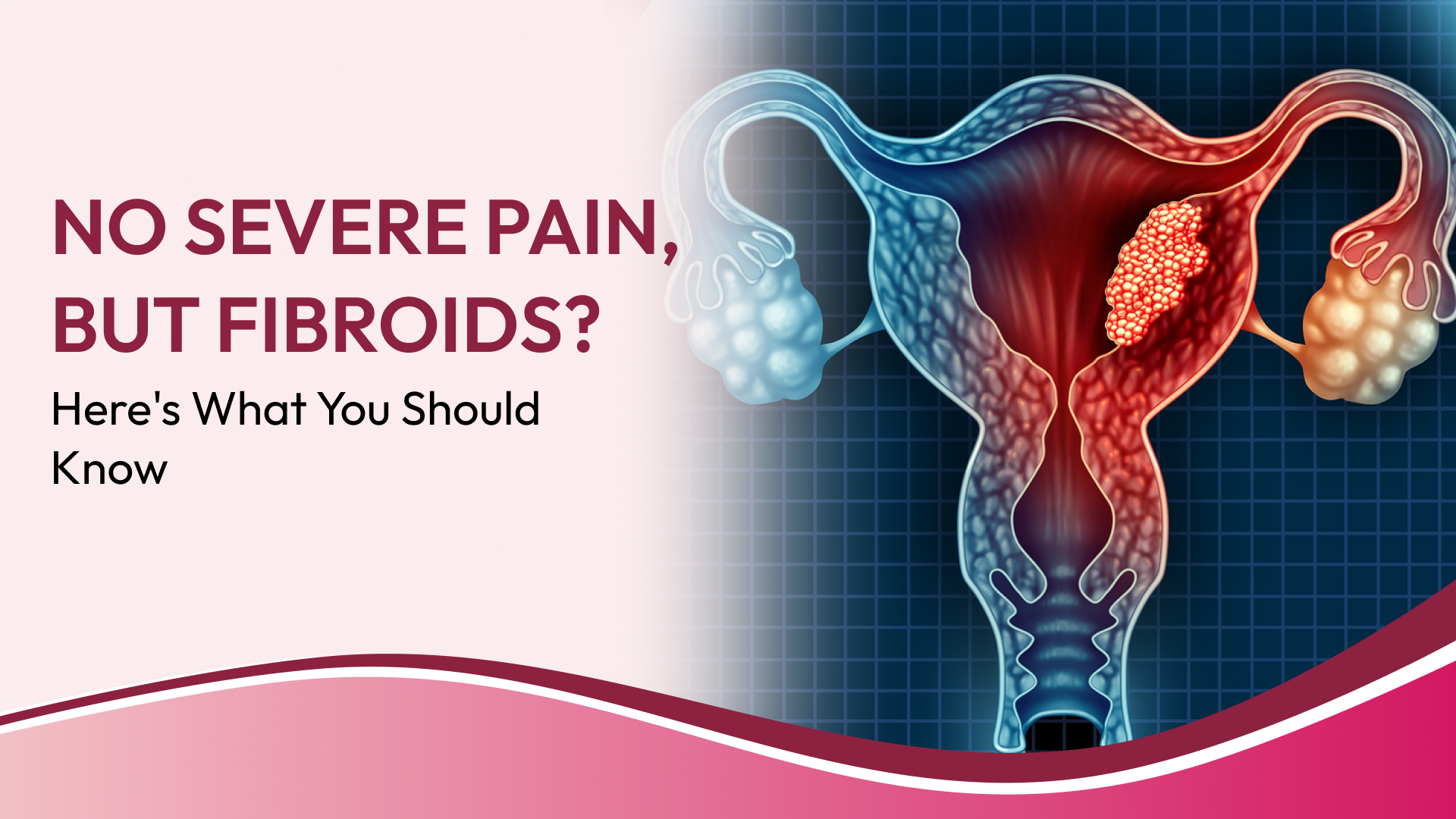

Many women discover fibroids by chance during a scan done for another reason. With little or no pain, the obvious question is, “Do I really need treatment?” The honest answer is that not every fibroid needs treatment. But understanding the best treatment for fibroids, and when it becomes necessary, helps you make a calm, informed decision.
What Are Fibroids?
Uterine fibroids are non-cancerous growths of the muscle wall of the uterus. They are very common during the reproductive years. They can be tiny or large, single or many, and may sit inside the uterine cavity, within the wall, or on the outside surface. Read more on our page about uterine fibroids treatment in Bhopal.
Why Pain Isn’t the Only Measure
Pain is not a reliable indicator of whether fibroids matter. Fibroids can cause problems without severe pain, including:
- Heavy or prolonged periods, which may lead to anaemia (menorrhagia)
- Pressure in the lower abdomen or a feeling of fullness
- Frequent urination or difficulty emptying the bladder
- Constipation or bloating
- Pain during intercourse
- Difficulty conceiving or pregnancy complications in some cases
When Treatment May Not Be Needed
If your fibroids are small, cause no symptoms and are not affecting fertility, your doctor may recommend watchful waiting. This usually means regular check-ups and ultrasound follow-ups to see if they grow. Fibroids often shrink after menopause because hormone levels fall.
When Treatment Becomes Worth Considering
Talk to your gynecologist about treatment if:
- Your periods are heavy and you are becoming anaemic
- The fibroids are growing quickly or are large
- They press on the bladder or bowel
- You are trying to conceive and fibroids may be the obstacle
- You have recurrent pregnancy loss, where fibroids might be a factor
- Symptoms are affecting your work, sleep or everyday life
What Are the Treatment Options?
There is no single best treatment for everyone. The right option depends on the size, number and location of the fibroids, your symptoms, your age and your plans for pregnancy. Options generally include:
- Observation with regular monitoring
- Medicines to reduce bleeding or control symptoms
- Hormonal treatment in selected cases
- Minimally invasive surgery to remove fibroids while preserving the uterus
- Hysterectomy in selected cases when childbearing is complete and other options are not suitable
Your doctor should explain the benefits, risks and recovery for each, and let you choose.
Questions to Ask Your Gynecologist
- Where are my fibroids, and how big are they?
- Are they likely to affect my periods or fertility?
- What happens if I wait?
- What are all my options, including non-surgical ones?
- How will treatment affect my chances of future pregnancy?
If pregnancy is part of your plan, our female fertility clinic in Bhopal page may be useful.
Final Thoughts
Having fibroids without severe pain does not mean you must rush into treatment, but it also does not mean you should ignore them. A proper assessment will show whether monitoring is enough or whether treatment for fibroids is the better choice. Learn about Dr. Sonil Srivastava or contact us to discuss your scan reports.