
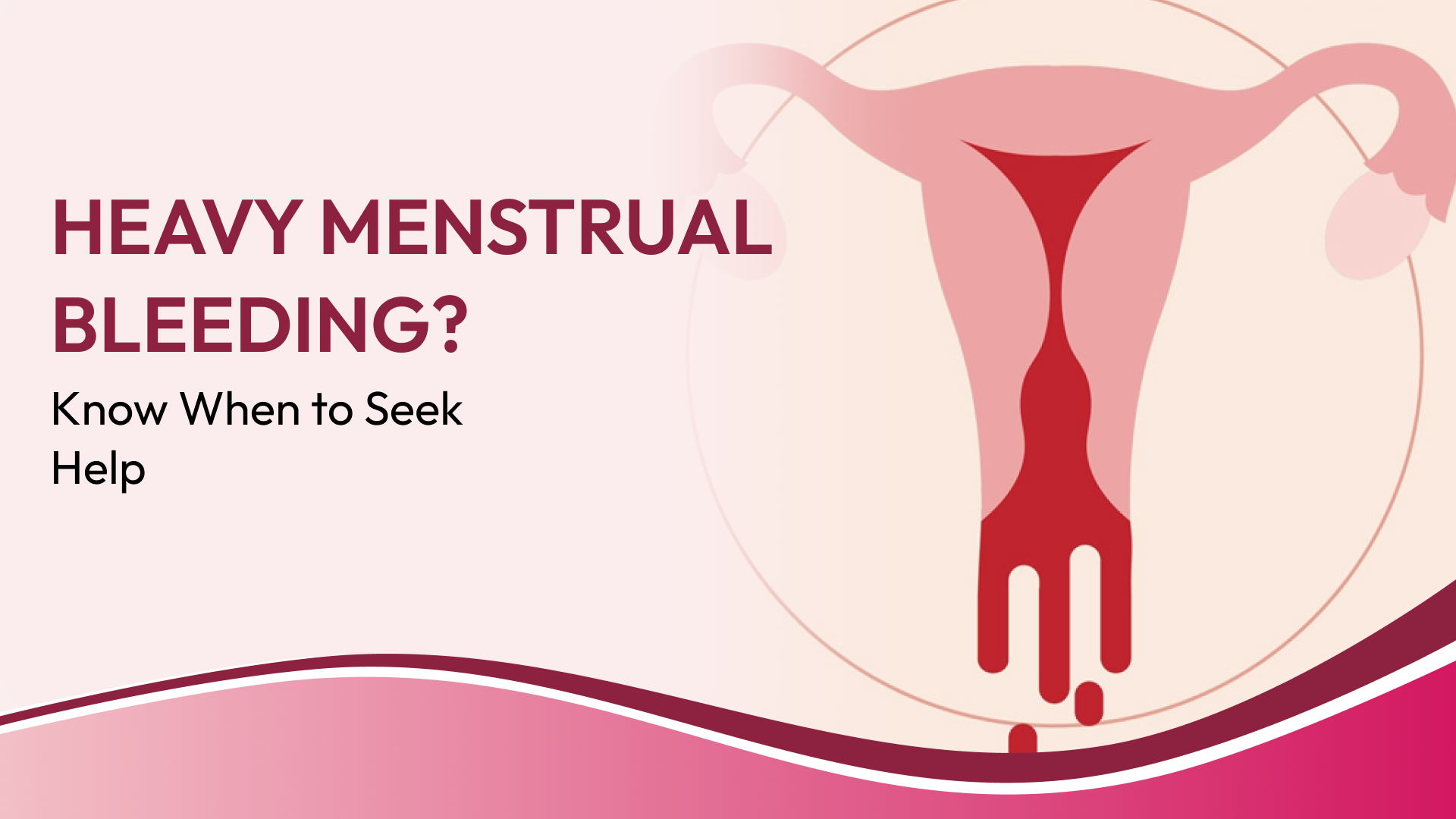

If your periods were manageable for years and then suddenly became very heavy, it is natural to feel worried. Soaking through pads, passing clots, or planning your day around bleeding is not something you simply have to put up with. Knowing where and when to see a gynecologist in Bhopal can help you find the cause early and get relief.
What Counts as Heavy Bleeding?
Doctors call it heavy menstrual bleeding (menorrhagia) when bleeding is excessive enough to interfere with your daily life. Signs include:
- Soaking a pad or tampon every hour for several hours
- Needing to change protection at night
- Passing clots larger than a coin
- Periods lasting longer than seven days
- Feeling dizzy, breathless, unusually tired or looking pale
Heavy bleeding over time can lead to anaemia, which is why it should not be ignored. You can read more on our page about menorrhagia treatment in Bhopal.
Why Do Periods Suddenly Become Heavy?
There is rarely only one cause. Common reasons include:
- Hormonal imbalance, especially around puberty, after childbirth or in the years before menopause
- Uterine fibroids, non-cancerous growths in the uterus. See our page on uterine fibroids treatment in Bhopal
- Polyps in the uterine lining
- Ovarian cysts and conditions like PCOS. Read about ovarian cyst treatment in Bhopal
- Infection or inflammation, such as pelvic inflammatory disease
- Thyroid problems or clotting disorders
- Medicines or contraceptive devices
- Perimenopause, when cycles become irregular and bleeding can change. Our page on menopause treatment in Bhopal explains this stage
Rarely, heavy bleeding can be linked to more serious conditions, which is another reason to get examined.
When Should You See a Gynecologist?
Book an appointment if:
- Bleeding has become noticeably heavier than your normal pattern
- You bleed between periods or after intercourse
- You have severe pain, fever or foul-smelling discharge
- You feel weak, dizzy or short of breath
- You are over 40 or have crossed menopause and see any new bleeding
If you are bleeding extremely heavily, feel faint or are soaking pads every hour, seek urgent medical care.
What Happens at the Visit?
A gynecologist will ask about your cycle, medical history and medicines, and carry out an examination. Common tests include blood tests (for haemoglobin, thyroid and hormones), a pelvic ultrasound and sometimes further evaluation of the uterine lining. The goal is to find the cause, not only to stop the bleeding.
Treatment Options
Treatment depends on the cause, your age and whether you plan pregnancy. It may include medicines to reduce bleeding, hormonal treatment, iron supplements for anaemia, treatment of fibroids or polyps, or procedures in selected cases. Your doctor will explain what is right for you.
Choosing the Right Gynecologist
Look for someone who listens, explains clearly and offers options rather than rushing to a procedure. You can read about Dr. Sonil Srivastava to learn about her background and approach.
Final Thoughts
Sudden heavy periods are your body’s signal, and getting a timely answer from a gynecologist in Bhopal can protect your health and your quality of life. To book a consultation, contact us.