
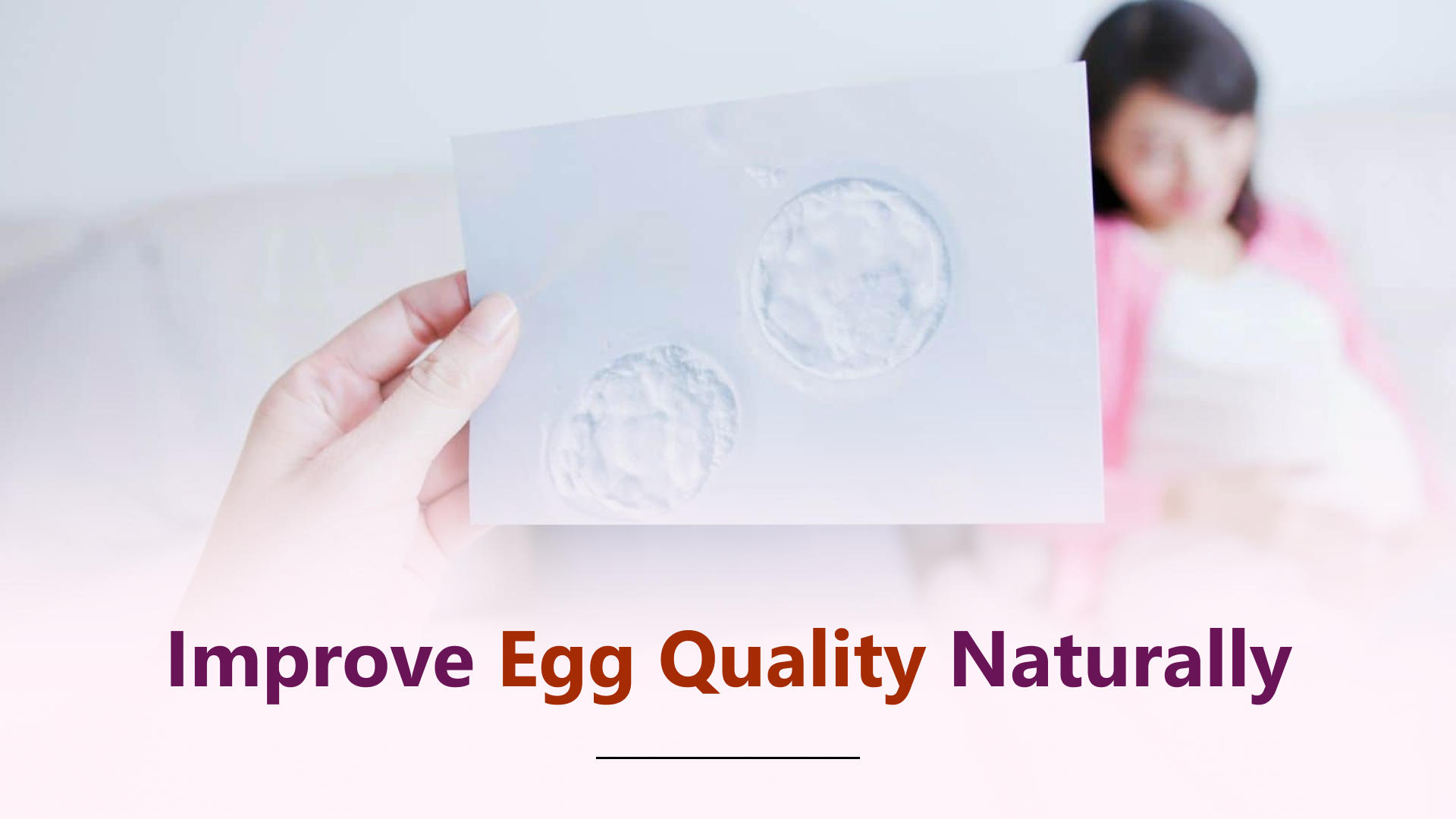

When couples begin exploring fertility, the term “egg quality” comes up frequently, yet many women are unsure what it truly means. Egg quality refers to the genetic and structural health of an egg, which determines how likely it is to fertilize successfully and develop into a healthy pregnancy. It is different from egg quantity, and both factors are usually assessed together during a fertility evaluation at a specialized IVF center.
Understanding Egg Quality
A good quality egg has the correct number of chromosomes and enough cellular energy to support fertilization and early embryo development. Poor quality eggs, on the other hand, are more likely to have chromosomal abnormalities, which can lead to failed fertilization, early miscarriage, or unsuccessful implantation. This is why egg quality is often a bigger factor in fertility outcomes than the sheer number of eggs remaining.
Why Egg Quality Declines With Age
Women are born with all the eggs they will ever have, and this number, along with quality, naturally declines over time. The decline becomes more noticeable after the mid-thirties and accelerates further after forty. This is a purely biological process and cannot be entirely reversed, but it can be supported through medical guidance and healthy lifestyle choices discussed during a consultation at a women’s healthcare facility.
Signs That May Indicate Egg Quality Concerns
There is no single test that measures egg quality directly, but doctors often look at indirect indicators such as hormone levels, antral follicle count on ultrasound, and response to fertility medications. Irregular cycles, a history of miscarriage, or conditions such as PCOS can also provide clues about underlying egg health, which is why a full evaluation is important rather than relying on age alone.
Can Egg Quality Be Improved Naturally?
While the number of eggs cannot be increased, there is growing evidence that certain lifestyle changes can support the health of the eggs that are maturing each cycle, since an egg takes around three to four months to fully mature before ovulation.
Nutrition and Antioxidants
A diet rich in antioxidants, such as fruits, vegetables, nuts, and whole grains, may help protect eggs from oxidative stress, which is one of the contributing factors to poor egg quality. Adequate intake of folate, vitamin D, and omega-3 fatty acids is also commonly recommended by fertility specialists as part of a broader fertility plan.
Maintaining a Healthy Weight
Both being underweight and overweight can disrupt hormonal balance and negatively affect egg development. Reaching and maintaining a healthy body weight through balanced nutrition and regular physical activity can support more regular ovulation cycles and better hormonal function.
Reducing Stress and Improving Sleep
Chronic stress and poor sleep can affect the hormones that regulate ovulation. While stress alone rarely causes infertility, managing it through relaxation techniques, adequate rest, and gentle exercise can create a more favorable environment for reproductive health.
Avoiding Toxins
Smoking, excessive alcohol consumption, and exposure to certain environmental toxins have all been linked to accelerated decline in egg quality. Reducing or eliminating these exposures is one of the most impactful natural steps a woman can take for her fertility.
When Natural Measures Are Not Enough
For women with significantly diminished ovarian reserve or advanced maternal age, lifestyle changes alone may not be sufficient to achieve pregnancy. In such cases, assisted reproductive techniques offered at an experienced fertility center can help maximize the chances of success using the eggs available, sometimes combined with specialized protocols to support egg maturation.
The Role of Underlying Conditions
Sometimes egg quality issues are linked to treatable underlying conditions. For instance, untreated thyroid disorders, PCOS, or structural issues such as ovarian cysts can interfere with normal follicle development. Identifying and treating these conditions through the right gynecological treatments can indirectly support better egg health and improve overall fertility potential.
When to Consult a Fertility Specialist
If you are over thirty-five and have been trying to conceive for six months without success, or under thirty-five and trying for over a year, it is advisable to consult a fertility specialist. Early evaluation allows time to explore both natural approaches and medical options before fertility potential declines further.
Conclusion
Egg quality is influenced by a combination of age, genetics, and lifestyle, and while it cannot be reversed entirely, supportive habits can make a meaningful difference. Combining healthy choices with expert guidance at a trusted gynecology clinic gives you the best possible foundation for your fertility journey.